

Learning Leaders Digest #116
Here's what's interesting this week.

Welcome back, Learning Leaders.
Most training requests arrive with the diagnosis already made.
Someone says managers need accountability training, employees need better communication skills, or a team needs to improve time management. By the time the request reaches us, everyone is already talking about dates, topics, and how long the workshop should be.
The problem is that training may have nothing to do with what is actually getting in the way.
One question I like to ask is, “Could they do what you want them to do if their life depended on it?”
If the answer is no, there may be a real knowledge or skill gap. Training could be the right answer.
If the answer is yes, they already know how. The problem may be unclear expectations, weak coaching, a broken process, missing tools, conflicting incentives, or a manager who has avoided holding people accountable.
That distinction is important for more than the quality of the solution. It also affects how the organization sees training.
When we accept a systems problem as a training request, deliver the course, and the original problem remains, people rarely blame the system. They blame the training. After that happens often enough, training begins to look ineffective and expendable. It stops being seen as an investment in people and starts looking like an expense that can be cut.
This week’s longform article looks at how trainers can guide leaders toward the right solution without becoming known as the department that says no to everything. It also includes a simple diagnostic question set and a companion guide for paid supporters.
You will also find my latest conversation with Kristal Markle-Temons about servant leadership, vulnerability, trust, and the difference between a facilitator and a firestarter, along with this week’s activities, reading recommendation, and useful finds from around the profession.
Let’s get into it.
What I’m Reading…
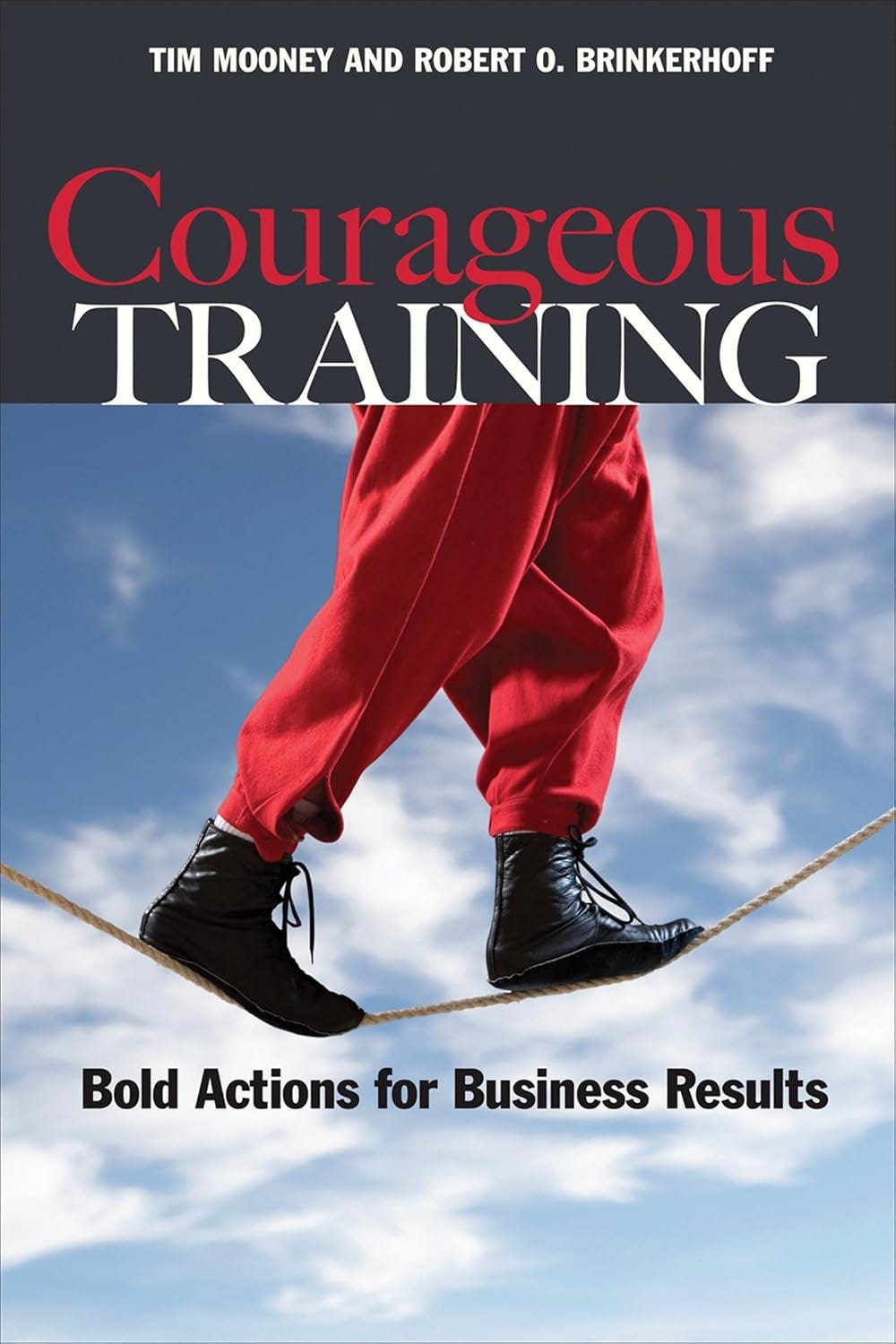
I recently read Courageous Training by Tim Mooney and Robert Brinkerhoff and really enjoyed it. The book challenges the usual approach of treating training as a one-time event and shows how trainers can design for real, measurable results instead. Its Four Pillars of Courageous Training give learning leaders a practical way to think beyond delivery and focus on what helps training actually stick.
(The link is an affiliate link. If you buy a copy, I get a little referral money at no extra cost to you.)
In Case You Missed It…
The Lecture Feels Like Learning. That Does Not Mean It Is.

I have been reading Adam Grant’s Think Again, and the chapter “Rewriting the Textbook” made me think about something trainers struggle with all the time.

Throwback Thursday: Looking for Root Causes of Problems Can Lead to More Effective Solutions

This was originally published in July 1991 in Bob Pike’s Creative Training Techniques Newsletter.
Episode 42: From Facilitator to Firestarter: Vulnerability, Trust, and Love with Kristal Markle-Temons
Links
Podcast 232: The journey towards a skills-based organisation - The role of L&D
Why training businesses need better metrics than completion rates
How To Create An eLearning Podcast That Actually Engages Learners
Why L&D Teams Are Sitting On A Gold Mine Of Data They Never Use
How to Apply Gagne's Nine Principles in Blended Learning Solutions
